
Parasite
2019 · Movie

2019 · Movie

2021 · Movie

2023 · Movie

2026 · Movie

2011 · TV Series
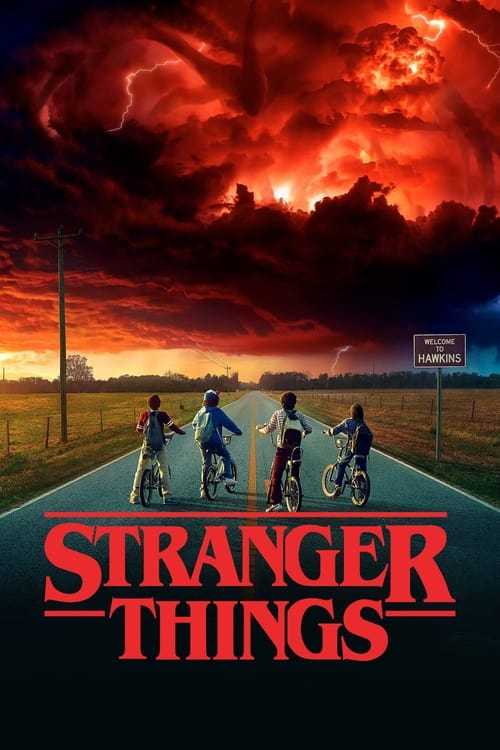
2016 · TV Series

2026 · Movie

2026 · Movie

2026 · Movie

2026 · Movie

2026 · Movie

2026 · Movie
2011 · TV Series
2016 · TV Series
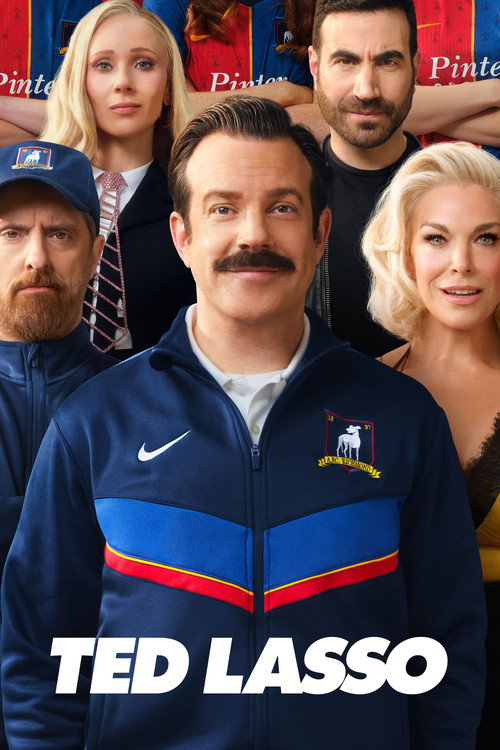
2020 · TV Series

2018 · TV Series
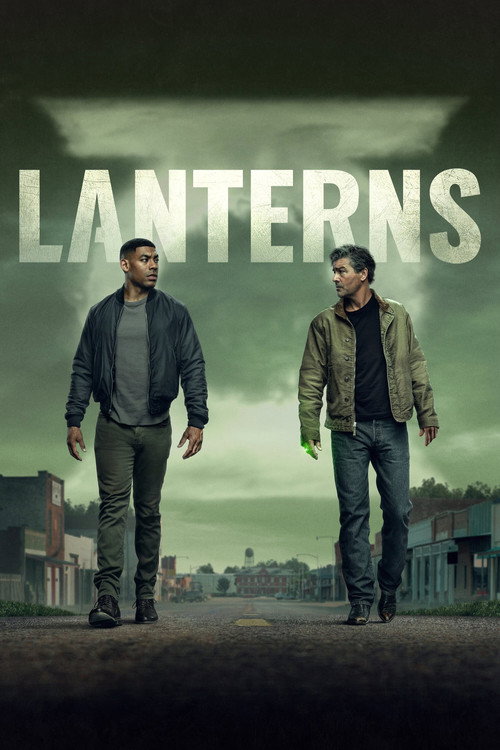
2026 · TV Series

2022 · TV Series

2026 · Movie

2026 · Movie
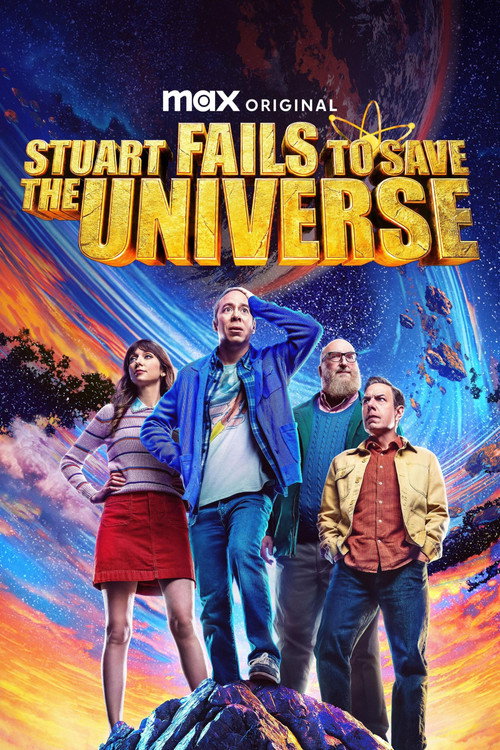
2026 · TV Series

2023 · TV Series

1999 · TV Series

2025 · Movie
Return to PubFilm from Android, iPhone or desktop, and choose the viewing app that supports your screen.
Read guide →Match a movie’s video offer to your screen and check the right settings when the picture looks soft.
Read guide →Find your way from old PubFilm bookmarks, suffixes and mirror searches back to the movie or series you wanted.
Read guide →Check a failed PubFilm page, empty movie search, blocked viewing tab or playback problem without losing your saved list.
Read guide →PubFilm movies and TV shows
A new release, the next season of a show, a film somebody mentioned last week: there is more than one reason to open PubFilm. Start with the title if you have already decided. Otherwise, look through the movies, compare a few stories and leave with something you genuinely want to watch.

You do not need an elaborate plan to choose a movie. Search its name, open the matching entry and read the essentials: which production it is, when it was released and what kind of story it tells. If it sounds right, keep it in My List or follow Watch now to explore its viewing options.
When the title is not settled, the catalogue gives you other starting points. Movies separates films from television. Genre narrows the kind of story. Release years helps with a particular period. You can use one of these routes without having to explain your preferences to a recommendation system first.
The film page is useful even before you decide where to watch. It keeps the exact name and year visible, so you can distinguish a sequel, a remake or a different programme with similar wording. That is especially helpful when the recommendation came from memory rather than a written title.
Watch now opens a JustWatch search. Select the matching production there and compare viewing services for your country. The selected service supplies the video; PubFilm keeps your film browsing, title details and local saved choices together.
There is no account step before browsing here. Take a look at a familiar film, investigate something different and save a second choice if the first one does not suit tonight. Finding a movie and committing to watch it do not have to be the same moment.
A recent release can give you an obvious place to begin, particularly when everyone is talking about the same title. The latest movies page orders catalogue films by release date. Use it to inspect newer productions without treating every film on the page as an identical kind of recommendation.
A film can also be new to you without being newly released. You may have missed its original run, discovered a performer later or only just heard the recommendation. That is a good reason to browse older entries alongside recent ones. The date tells you where the production sits; it does not tell you whether you will enjoy it.
PubFilm searches containing 2016, 2017, 2018 or 2019 can refer to films, old browsing sessions or lists compiled during those years. If the movie name is clear but the year is uncertain, start without the year. Add it once you have a reason to distinguish a specific version.
For 2024 or 2025 requests, make the same distinction between first release and the date you encountered the title. A film can become available through a service after its original release, and a recommendation can appear still later. Those events do not change the identity of the production.
Browse release years when the period is important. Use the viewing offer when the question is whether you can watch it now. A release date in a catalogue is not a universal streaming schedule.
Featured titles are useful when you want an immediate starting point instead of an empty search field. Open one that catches your attention, then compare its premise with another candidate. The point is to reach an appealing choice, not to assume the first visible poster is the only film worth watching.
A shortlist works best when its entries are meaningfully different. You might keep one action film, a drama and a TV programme for separate kinds of evening. That gives you alternatives without turning the list into another catalogue you have to search from the beginning.
When choosing with friends, keep the discussion concrete. Ask which of two films sounds more interesting rather than adding ten more names at once. The opening premise, format and audience information can make that conversation easier than a debate about which poster looks most impressive.
Popularity is a browsing clue, not a personal instruction. An older movie can be a better fit than a title receiving more attention now. If the evening calls for something familiar, there is no need to reject a rewatch simply because you already know its name.
Save a promising film when you are not ready for it. The next visit may begin with My List rather than another long browse, which leaves more of the evening for watching.
Spider-Man searches are clearer when the subtitle stays attached. Sony identifies Far From Home as the 2019 film. No Way Home is a separate production with its own PubFilm entry. They should not be treated as the same result merely because the title begins with the same character's name.
If somebody recommends Far From Home, keep those words when searching. A general Spider-Man result can include different films, animated entries, extras or other related material. The full title saves you from comparing viewing offers for a movie you never intended to choose.
The same care helps with Across the Spider-Verse. Animation and live action are distinct formats within a broader group of related movies. Compare each production's own description rather than expecting the catalogue to infer which version you meant from a franchise name alone.
For a returning viewer, identify the last film you completed before deciding what to watch next. Recognising a trailer does not mean you have seen the movie, and reading a later plot summary can reveal more than you wanted. Use the title details to make the choice while keeping the story itself fresh.
The action and superhero guide includes specific Spider-Man searches and other named chapters. It gives you a direct way to find the production without reducing every superhero request to one broad page.
A number in a movie request is usually information worth keeping. John Wick, John Wick: Chapter 2 and later chapters are different films. A viewer who asks for the second one may be continuing a story, revisiting a favourite or following a particular recommendation. Do not discard that distinction while searching.
Creed II is another specific title, not just a general request for a boxing film. Keep the chapter in the search and compare the matching production before moving to an offer. A familiar performer or similar artwork does not make two franchise entries interchangeable.
If you are new to a film series, a short spoiler-light introduction can help you decide whether to begin. If you are returning, note where you stopped. These are different browsing needs, and both are easier to satisfy when the exact movie name remains visible.
For a shared movie night, agree on whether everyone is comfortable joining at that chapter. Some viewers may have seen earlier films, while others are meeting the characters for the first time. A small conversation before the search can avoid confusion after the opening.
Use the named guide links for a particular John Wick or Creed search. For a wider selection, browse action movies and compare the stories themselves. Choosing a genre does not require choosing a franchise.
A movie title can share its name with a game, a television programme or an earlier film. Mortal Kombat is a useful case for checking the year and format. If you mean a particular movie, retain that information when the results include several versions or a sequel.
The Batman is also a specific film request. A general Batman search can bring together several productions that use the character differently. Open the title you meant, compare its year and read the opening description rather than allowing a familiar symbol to make the decision.
For Den of Thieves, Wrath of Man or Nobody, use the complete film name as the starting point. A broad action phrase will not necessarily identify the recommendation you received. Once the movie is found, the details can help you decide whether its tone suits the evening.
Keep expectations practical. A movie page can help identify a production and link to viewing searches without claiming that every edition is available in every country. The final offer is where you check language, screen support and the conditions of watching.
Save a second option when you are arranging the session for other people. A suitable fallback is easier to choose beforehand than after everyone has settled in and the first offer turns out not to fit.
Avengers: Infinity War and Avengers: Endgame are distinct movie names. Keep the subtitle when you want a particular one. Searching only Avengers can be useful for browsing related productions, but it is less precise when the evening's film has already been chosen.
Other names such as Black Panther, Captain Marvel, Black Widow and Shang-Chi and the Legend of the Ten Rings also deserve their own title checks. A collection can put related films near each other without suggesting they all provide the same starting point or viewing experience.
For Ant-Man and the Wasp, retain the full wording rather than relying on an informal sequel number. For Thor: Ragnarok, the subtitle does the same job. Distinctive words make a movie search more effective than repeatedly adding broad phrases such as full movie or watch online.
When the result has the right title, inspect the edition offered by the viewing service. Audio and subtitles can matter as much as image quality for the people watching. A familiar franchise does not remove the need to choose a version everyone can follow.
The action guide groups these named searches alongside other film choices. You can use it to find a chapter quickly, then return to the broader catalogue when you want something unrelated.
Some evenings begin with a very clear request: a creature feature, a large-scale adventure or a film you can enjoy with a group. The Meg, Pacific Rim and Godzilla vs. Kong are individual titles to investigate rather than interchangeable answers to that request.
Include the full sequel name when the production has several entries. Jurassic World: Fallen Kingdom, for example, is more precise than a general Jurassic World query. A year helps when a remembered title has appeared in more than one version.
Look at the opening premise and audience guidance before selecting for a household. Spectacle on a poster does not tell you everything about the tone. A film can be exciting for one viewer and a poor fit for another, even when both enjoy the same broad genre.
For science-fiction choices, browse the science-fiction collection or use the named action guide. Interstellar, The Matrix Resurrections and other familiar titles can lead to very different kinds of evening. Let the individual story matter.
Prepare the viewing screen after deciding on the film. There is little value in adjusting a television for the highest possible resolution before you know which offer and edition you will actually use.
Horror can require a little title precision. It is a short name shared across different screen versions, while a franchise can contain several similarly presented entries. Use the year when you mean a particular film and retain a sequel number or subtitle where one exists.
Jigsaw, Ma, The Nun and The First Purge are specific film requests. Keep them separate when browsing, even if they appear in the same horror list. Read enough of the opening situation to decide whether you are interested without going straight to an ending explanation.
For The Conjuring: The Devil Made Me Do It, the full title can be more useful than an informal number. The same principle applies to a particular Scream or Candyman film. A familiar name should lead you toward the intended production, not whichever version happens to appear first.
Use the horror guide when you already have a film in mind. Browse horror movies when the exact title is undecided. A guide and a catalogue serve different parts of the same choice.
If other people are joining, settle the kind of experience everyone wants. A tense mystery, supernatural horror and a more graphic film need not suit the same group. The individual title's audience guidance is worth checking before the evening begins.
A comedy choice becomes easier when you name a few films instead of asking a whole group to search indefinitely. Pitch Perfect 3, Blockers, Good Boys and Super Troopers 2 are examples of specific requests that should keep their identifying words. The number or subtitle may be the part that matters most.
Think about the kind of humour and audience, not simply the genre label. A film that works for a group of friends may not be the right choice for a family afternoon. Read the premise and guidance instead of treating every comedy as equally suitable for everyone.
Music-led films can be a separate preference within that conversation. A Star Is Born needs a year when you want a particular version. A title match alone can leave several different productions in the results. Keep the version clear before you compare soundtracks or video offers.
For films such as The Upside, Instant Family or Fighting with My Family, approach the production through its own description rather than assuming the wording of the name tells you its entire tone. A few lines of context can be more useful than a long chain of guesses.
The family and comedy guide offers named searches and practical distinctions. Choose something everyone wants to try, save another candidate and leave some time to enjoy the film itself.
Trolls World Tour is a specific movie, not simply another name for every Trolls production. DreamWorks identifies the 2020 sequel, which provides a clear title and date for your viewing search. Preserve World Tour when that is the film your household wants.
For Toy Story 4, keep the number. For Minions, Moana, Coco, Soul or Encanto, compare the exact production and edition at the destination. A collection of animated titles can make browsing easier without suggesting every film has the same story or audience.
Animation is not itself an age rating. Check the selected film's viewing guidance and consider the people in the room. Emotional themes, pace and intensity can matter even when a poster looks bright and familiar.
Choose audio and subtitles before starting. A dubbed version may be helpful for one household; another may prefer original performances and translated text. The available combination belongs to the viewing offer, not to the language of the page where you first discovered the movie.
Browse the family movie collection for available catalogue entries, or use the guide's named searches when the film is already decided. Keep a second title agreed in case the first offer does not suit your screen or language needs.
Awards lists can be a useful way to discover a film after the original conversation has moved on. The Academy's 2020 ceremony record identifies Parasite as the Best Picture winner and includes 1917 among the nominees. That is a specific historical reference, not a claim that every highly rated film won the same award.
Parasite has a PubFilm title page if you want to read its opening premise and compare its details. You do not need a full plot analysis before deciding whether to watch it. For a first viewing, the production information and a spoiler-light introduction are often enough.
Keep the ceremony year separate from a film's release year. An awards event can take place after the period in which its nominated films were released. Searching for an Oscar-year movie list should not force every film into the wrong date on its catalogue record.
Use an award as an invitation to investigate, not as an instruction to enjoy the film in a particular way. The kind of story, available time and people watching still matter. A recognised drama can be worth saving for an evening when you can give it your attention.
The awards and drama guide gives specific starting points and distinguishes recognition from ratings. Browse the drama collection when you want to explore more films on their own terms.
A TV evening often has a different rhythm from a film night. You may want one chapter after dinner, a longer catch-up at the weekend or a new programme to follow over several weeks. Start in TV Shows, where series are separated from movies, and choose the programme before deciding how much to watch.
The programme title is the anchor. Season and episode information comes next. When somebody sends a recommendation containing a long string such as season eight episode two, keep that detail for the episode selector at the viewing service. Searching the parent show is usually the clearer way to reach it from PubFilm.
There is also a difference between starting a show and catching up with one. A first-time viewer might want a short introduction to the setting. A returning viewer might need nothing more than the next episode and a reminder of the last chapter completed. Avoid full-season summaries when you only need to resume.
Save the programme if you are deciding between television and a movie. My List keeps the title close for your next visit. The viewing app is the place for episode history and resume position; a saved programme here is a reminder of what interested you.
When you are searching for The Walking Dead season eight or season nine, the season number identifies the stretch of television you want. It should travel with you after you choose the programme. Do not assume the first episode displayed by an external service is where you left off.
Fear the Walking Dead has a different programme name. Preserve Fear when that is the series you intend to watch. A request for its first or third season should not quietly become a search for a season of The Walking Dead simply because both names appear together in a recommendation.
For a rewatch, decide whether you want the beginning of that season or one particular episode. For a catch-up, note the last chapter you actually finished. An episode that played briefly while you were choosing something else can make an automatic resume suggestion less useful than your own memory.
The series and seasons guide keeps these programme searches together without pretending that every episode is a separate PubFilm stream. Select the correct show there, then use its viewing offers to inspect the season you need.
Game of Thrones requests can be very specific: the second season, a return to season four or a catch-up through seasons six, seven and eight. Begin with the programme and carry the season number forward. When the story is already familiar, there is no need to read a long retrospective to reach the next episode.
Shameless needs another distinction before the season. The name has been used for British and American productions. Check which programme the recommendation means, especially when discussing seasons nine and ten. The same word on the cover does not settle the cast, production or episode sequence.
Power season requests also benefit from keeping the complete programme name in view. Related titles may appear nearby in a service's search. Choose the series you intended rather than treating every title containing Power as the next chapter of the same episode list.
A season guide is most useful when it gets you back to the programme quickly. Ours concentrates on names, seasons and direct searches, with room to return to the catalogue when you want a different show instead.
For a new programme, give yourself enough context to be interested without trying to understand the whole story in advance. Stranger Things and Westworld are recognisable names, but recognition alone does not tell you which one you want to spend the evening with. Open a programme description and consider its starting situation.
For Westworld season three or a particular Stranger Things season, move from that general introduction to the actual episode choice. A programme's original release year identifies the series; it is not the year of every season. The episode selector at the service carries the more specific information.
Some viewers prefer to follow one drama at a time. Others keep a shorter comedy alongside it so every evening does not require the same attention. Both approaches work with a small saved list. Add programmes for different moods instead of feeling obliged to start everything at once.
Billions, Better Call Saul, Vikings and Chernobyl can be further names to investigate through the series guide. Decide which premise interests you, and save the others without reading later-story discussion that could spoil a future first watch.
When a recommendation mentions Arrow or The Flash, establish the programme and season before looking for the episode. A crossover discussion, clip or shared character can send a general search in several directions. Keep the actual episode request separate from the broader conversation around it.
The same practical approach works for The 100, Riverdale, The Chi and Criminal Minds. You may know exactly which programme you want even if the episode number is uncertain. Find the show first; use the viewing service's episode descriptions carefully to locate your place without opening a future plot summary.
For less continuous viewing, a familiar comedy or an individual television episode can suit an evening when you do not want to begin a long new story. Family Guy and other programme names have their own viewing searches in the guide. Audience guidance still belongs to the particular programme, not to an assumption that animation means children's television.
Keep the remote and the episode list in agreement before starting. It is a small check, but it is more pleasant than discovering halfway through that the service selected a different season.
Browsing gets easier when one choice reduces the number of others. Selecting movies instead of television changes the format. Selecting a genre changes the kind of stories shown. A release year can narrow a period you remember. Use the restriction you actually care about, then let the remaining posters give you ideas.
If the results disappear, remove the least certain filter. A film you remember as a thriller may carry a different set of catalogue genres. The date you remember might be when you watched it rather than when it first appeared. An empty filtered page is a reason to widen the search, not proof that the title never existed.
Ratings can help order choices, particularly when you want to compare unfamiliar movies. PubFilm displays ratings supplied with the TMDB title data. The Top IMDb navigation is a familiar browsing label; it does not turn those displayed numbers into IMDb scores. Read the attribution where the rating is presented.
Do not let one number replace your own interest. A promising premise, a language you want to hear or a recommendation from someone who understands your taste may matter more for tonight. Use the sorted list as a starting point, then open the individual film.
A country can mean where a film was produced or where you are watching. Those are different questions. You might be interested in a Korean drama while watching from the United Kingdom, or an American movie while travelling elsewhere. The production does not change when the viewing location changes.
Use the country selection here to make the outgoing viewing searches relevant to where you are. It does not translate the movie, select a dubbed soundtrack or promise the same offers in every region. The service you choose supplies its own language and video options.
For world cinema, an unfamiliar title should not be a barrier to trying the film. Read the opening premise, keep the original or translated name that appears on the record and check the subtitle language in the offer. A little preparation can make the viewing choice much more comfortable.
When travelling, recheck the offer where you are now instead of relying on a link saved for another location. A useful saved movie name remains useful even when the place you can watch it has changed.
A film can sound excellent and still be wrong for the present moment. Perhaps the group wants something lighter, the evening is already short or you would rather watch it alone. Use My List to keep that interest instead of choosing between starting immediately and forgetting the title.
Add a film from its title page and return through the saved-list link. You can remove a choice when it no longer interests you. Keeping the list manageable makes it easier to find the film you had in mind instead of recreating the same long browse every weekend.
The list is stored in the browser you are using for this website. It does not require a PubFilm account, and it does not automatically travel to another device or browser. If you are planning to switch screens, keep the important titles somewhere you can reach from both.
Saving a show remembers the programme, not your watched episodes. Use the viewing app's history for that. This separation lets PubFilm serve as your shortlist while the service playing the video handles the session itself.
You can explore PubFilm without paying to search the catalogue or read a title page. That makes it straightforward to investigate a film before deciding how you want to watch. A free browse and a free video offer are different parts of the journey.
After Watch now, select the intended film in the JustWatch results and compare the available options. A service may use an ad-supported, subscription, rental or purchase arrangement. Check the terms shown for that offer rather than assuming every film can be watched under the same arrangement.
If you already pay for a service, start by checking whether the film is included there. If you want a free movies online option, inspect the free or ad-supported choices when they are actually listed for your country. The absence of a suitable offer may make another saved film a better choice tonight.
No-registration browsing here does not create an account at another service. An external app can have its own sign-in process. Keep the production name and year handy so the move from finding the film to watching it stays simple.
Picture quality matters most after you have identified the film and the offer you will use. HD, 1080p and 4K streaming describe video options. A sharp poster helps you recognise a title, but it cannot tell you which resolution the chosen player will deliver.
Look for the available edition at the viewing service. A selected 4K offer can be worth considering on a suitable large screen, while a consistent HD picture may be perfectly comfortable for another setup. The relevant combination includes the title, app, plan and device, not just the number printed on the television box.
For a phone session, connection stability and readable subtitles may matter more than pursuing the largest resolution. For a living-room film, sound and room conditions can also change the experience. Choose settings that suit the way you are watching rather than treating every screen as identical.
The picture-quality guide explains what to check when a stream looks soft or stops repeatedly. Quality choices are made in the video application. Changing the catalogue's genre or country filter will not directly adjust that player's resolution.
Agree on the language combination before the opening scene. One viewer may prefer original performances with translated subtitles; another may find a dubbed version more comfortable. Captions can also include information beyond spoken dialogue. The useful option is the one the people watching can follow.
Inspect the tracks for the exact offer and episode. A subtitle language shown for one edition does not establish its presence in another. The original-language field on a PubFilm record describes the production, not a complete inventory of every service's audio tracks.
Where the selected player provides subtitle customization, adjust the text from the position where you will watch. A size that seems generous on a handheld phone might be hard to read across a room. Contrast and a background can matter when the picture contains bright or visually busy scenes.
For missing or badly timed text, confirm the chosen track and episode first. Then use the player or service support if the problem persists. The subtitle guide keeps these checks together without requiring you to interrupt the film with a broad device reset.
On a phone, an exact title search is often the quickest route. Open the result, read its description and save it or continue to the viewing offer. The compact menu gives you access to movies, TV shows and the other main sections without requiring a desktop-sized navigation bar.
A tablet can be convenient for comparing films with somebody beside you. Open a small number of candidates and read their premises together. You do not need to sign in to PubFilm before browsing, and there is no requirement to install a separate catalogue application.
On desktop, the wider poster grid makes a longer browse more comfortable. The same movie details and saved-list actions remain available. If you use another browser later, remember that your local shortlist is associated with the browser and website location where you made it.
For actual mobile streaming, inspect the selected service's app and data settings. Downloading in advance, changing video quality or casting to another screen depends on the viewing service. Choose those options where the video is played rather than expecting a catalogue search setting to control them.
Finding a film on your phone and watching it on a Smart TV can be a comfortable division of tasks. Use the phone for searching and reading; use the television's supported app for the movie. Keep the full title nearby when the TV app asks you to search again.
Check which application your particular television or connected device supports. The fact that a web page opens in a TV browser does not guarantee that every external video service will play through that browser. Its supported app may provide the intended controls and sign-in experience.
Chromecast, AirPlay and console options also depend on the service and equipment. Look for the actual casting control or supported-device instructions. A button shown in one application is not necessarily available in another, even when both carry the same film.
Before a group watch, settle sound, language and the correct edition on the large screen. That small amount of preparation helps the evening begin with the film instead of a search repeated on a remote-control keyboard.
For repeat visits, a bookmark is the simplest way to keep PubFilm close. Some browsers also offer a home-screen shortcut. That shortcut opens the website; it should not be confused with downloading an Android app containing its own video library.
This PubFilm catalogue does not offer a native APK file. You can browse it directly in a compatible mobile or desktop browser. If your aim is to use a particular video service's offline, casting or player features, choose that service's supported application.
On iPhone or iPad, use the same title-first approach as on Android. Find the production, retain the year if needed and continue to an offer suitable for your device. A change of operating system does not require a different movie name or a different shortlist of ideas.
The app page explains browser access and returning to the site from different screens. There is no download button presented as a working installer when it is only a link to another page.
An offline evening or a long journey needs more preparation than saving a poster. My List records your interest in a film. A video download, when supported, is prepared inside the viewing service's application and uses storage on the selected device.
Choose the production and language tracks while you still have a connection. For a series, identify the season and the episodes you intend to watch. Check that the requested items have actually finished downloading instead of assuming a programme cover in a queue means everything is ready.
Review any expiry or playback conditions in that application's offline area. If you plan to watch on a different device, check its support separately. A downloaded copy in one app is not automatically a transferable movie file for every other screen.
PubFilm's download guide distinguishes these steps from a saved catalogue entry. It is useful for planning the viewing session without presenting a film download or file converter that this website does not supply.
When people ask about streaming servers, they often mean a practical problem: the picture will not start, one option is slow or a player control is missing. Begin with the service that is actually playing the video. PubFilm's Watch now link helps you find offers; it is not a local server selector.
Some players adapt their bitrate as the connection changes. Others expose a quality choice or a data-use preference. Use the controls available in the selected app and change one setting at a time, so you can tell what improved the session.
Picture-in-Picture, playback speed, keyboard shortcuts and full-screen behaviour are also player features. Even where a service uses HTML5 video, the controls it exposes can differ across browsers and devices. Look at its help or menu rather than assuming a keyboard shortcut will do the same thing everywhere.
If an offer does not work for your screen, compare another available offer for the same film. That is a different action from choosing a claimed backup mirror. Keep the title, country and desired edition consistent while you compare.
You may remember PubFilm with an address ending in com, is, nl, net or another suffix. Old bookmarks and saved articles can preserve addresses long after the page structure changes. The remembered address is useful context, but it does not establish that every similarly named site has the same operator or catalogue.
If the purpose of returning is one particular movie, keep that movie at the centre of the search. Use its complete name and year to find current viewing options. You do not have to reconstruct every old domain before deciding what to watch tonight.
Mirror, proxy and unblocked access requests can arise when a page fails to load. Read the browser message and check the actual destination of a redirect. A familiar red logo alone cannot demonstrate that an old account, saved list or hosted file moved with the address.
The domain guide addresses those remembered names. It is not a promise that an untested list of alternative addresses is working now. If you need help with this catalogue, the status guide starts with the specific step that failed.
Start by separating four situations: the page does not open, a search finds nothing, a viewing link does not open or the video fails after you reach another service. They can feel like the same interrupted evening, but checking the right step is faster than changing everything at once.
For a loading problem, inspect the address and browser error. For empty search results, remove a guessed year or genre and try the distinctive title words. The catalogue may not contain every production, so a named viewing search in a guide can also help with a film that is not listed.
For an outgoing link, check whether the browser blocked that particular new tab. For a buffering or sound problem, use the selected video app's controls and support. Record the title, episode, device and message if you need to explain a persistent failure.
Avoid clearing all browser data as your first experiment. That can remove the local saved list without repairing a video in another application. The not-working guide gives focused checks so you can return to the evening with fewer unnecessary changes.
An alternative can mean another offer for the same film or a different film altogether. Decide which you need. If the title is the reason for the evening, compare its offers. If you simply want something enjoyable to watch, another entry in My List may be the more useful answer.
Reddit and other discussions can introduce films you would not have found through the first row of posters. Read the reason for the recommendation. A thoughtful description of tone or audience can help more than a long list of names, especially when you know what kind of evening you want.
Keep the recommendation separate from dated claims about websites. A film suggestion can remain interesting after an old link stops working. Lists grouping PubFilm with 123Movies, Putlocker or other names do not establish shared accounts or matching offers.
Our alternatives page helps turn that broad question into a useful next choice. Keep one or two candidates, compare the conditions that matter to you and spend the remaining time watching rather than endlessly replacing one list with another.
PubFilm brings movie and TV browsing, title details, focused guides and a local My List together. Find the production you want, then use Watch now to explore viewing offers for your country.
Search the film, open its details and choose Watch now. The link opens JustWatch results. Select the matching film and choose a viewing offer there.
Yes. Searching, reading film details and using the local saved list do not require a PubFilm account. A separate viewing service may require its own sign-in.
Browsing PubFilm is free. Video offers can be free, ad-supported, subscription, rental or purchase options depending on the title and country. Check the selected offer before watching.
You can browse programmes and use the series guide for specific season requests. Choose the season and episode at the viewing service. Saving a show here does not track episode progress.
Open a viewing offer for the intended production and inspect its video options. Resolution depends on that offer and your setup. A poster or catalogue rating does not identify the stream quality.
No native APK is distributed here. PubFilm works as a browser catalogue. Use a bookmark or supported home-screen shortcut for quick access.
My List saves the title, not the movie file. For offline watching, use a download option supported by the viewing service and check that the video is ready in its app.
You can find the movie through PubFilm and continue through a viewing app supported by your television or connected device. Casting and console playback depend on that service and equipment.
Choose subtitle tracks and available playback controls in the selected video app. PubFilm does not operate a local player or streaming-server switcher.
Check whether the problem affects opening the page, searching, following a link or playing video at the destination. The status guide addresses those steps separately; it is not a live outage report for every similarly named domain.
Those suffixes appear in remembered PubFilm addresses. This catalogue does not certify ownership or current operation of other domains. Use the domain guide for old bookmarks and redirects.
No. The list stays in the current browser for this website location. Keep important title names separately when moving to another browser or device.